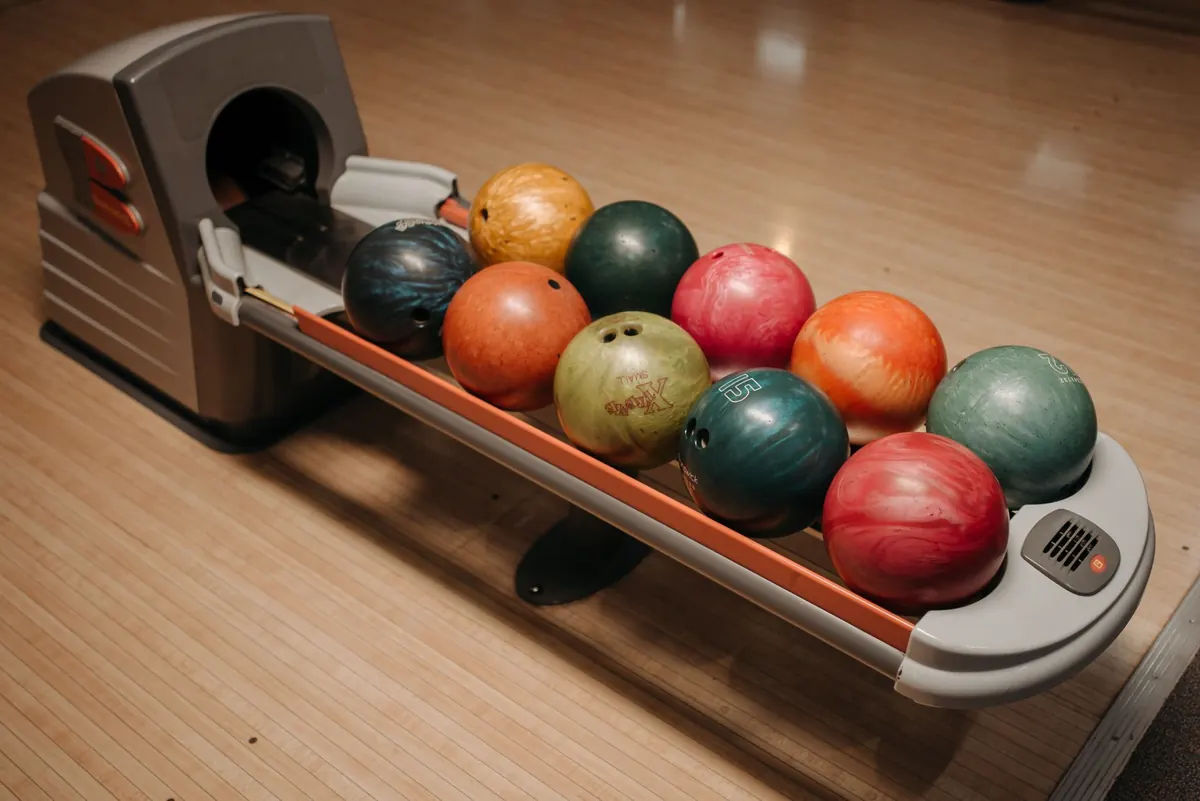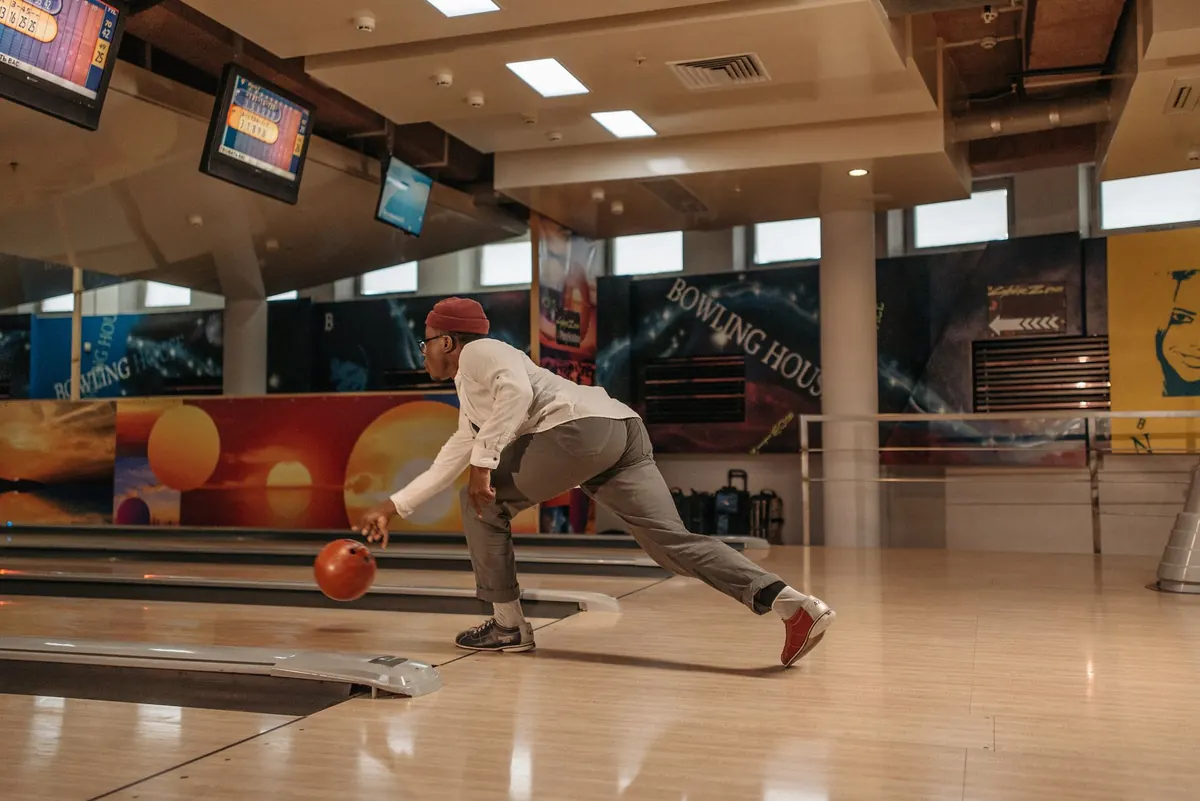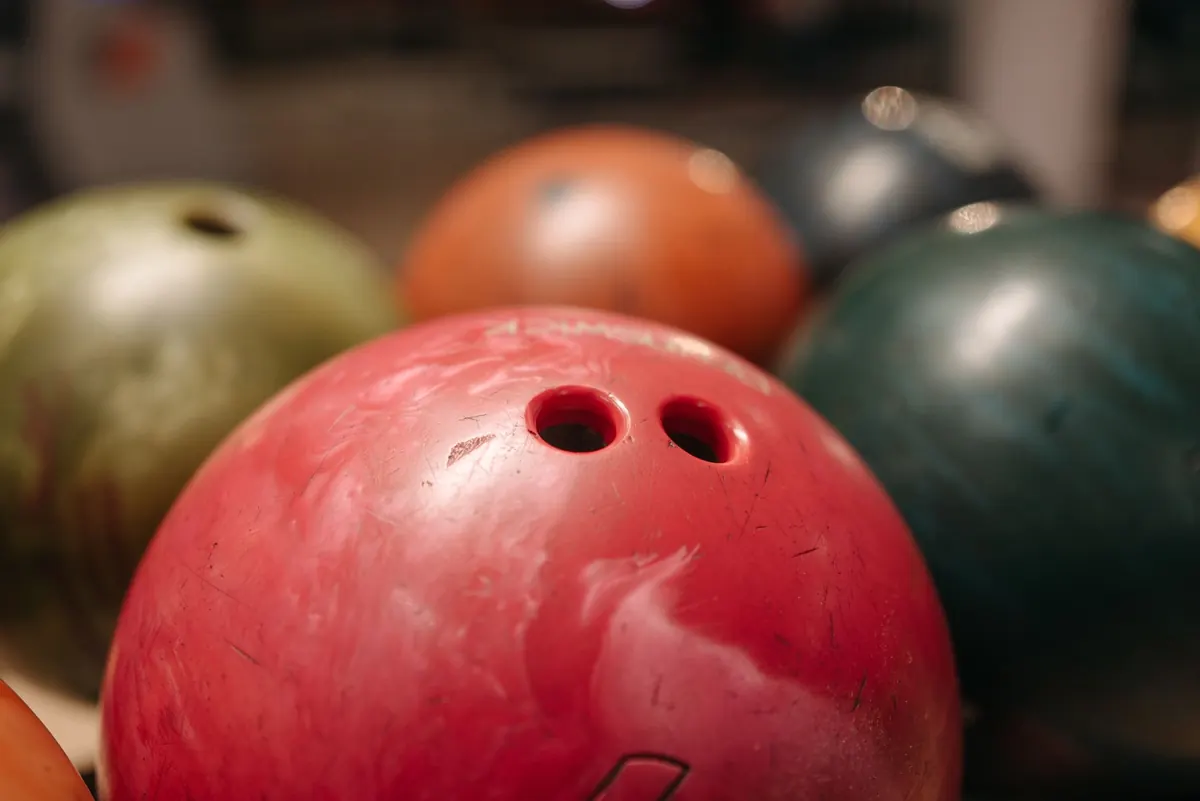
Two balls, same layout, same lane, same release. One skids through the midlane and turns hard off the dry boards. The other starts reading the lane eight feet earlier and sweeps into the pocket like it is on a rail. Same hand, same speed, very different shape — and the biggest reason is the shell.
Reactive resin and urethane are the two coverstocks bowlers argue about most, usually over a pitcher after league. Neither is better. They answer different questions, and the bowler who knows which question the lane is asking usually wins the frame.
What the Coverstock Actually Controls
The core gets most of the marketing attention, but the coverstock is what you feel at the arrows. The core sets the ball's potential; the shell decides how quickly that potential shows up. Cover chemistry governs when the ball stops skidding, how hard it grabs the dry boards, and how much oil it can push through before it quits hooking.
Reactive resin is porous. Over time it pulls oil into the shell, and that absorption is a big part of the friction you see — the ball bites the lane. Urethane is far less porous. Instead of soaking up oil, it shoves it around. The result is an earlier, smoother, more gradual read with less total hook than a comparable reactive.
That single difference explains almost every argument you have heard about which one carries better.
Urethane: Smooth, Early, and Honest
Urethane rolls like a snow tire. It starts grabbing almost as soon as it leaves your hand and keeps arcing through the midlane into the pocket. Nothing happens abruptly. If you like watching a ball trace a steady curve from the foul line to the deck, urethane is that picture.
Because it does not absorb oil at the same rate, urethane also keeps a more consistent read as the pattern changes. On a fresh house shot with heavy oil in the middle, it can labor and leave flat corners. On short patterns where the back ends are already flying, it is often the most controllable ball in the building. High-rev and two-handed players lean on it for a simple reason: it takes some of their hand out of the equation.
Where urethane earns its spot
- Short or flat patterns where a strong reactive hooks too early or too much
- Wet/dry house shots that punish you for tugging a ball into the middle
- Burned-up heads, where you need the ball to read the midlane and not jump off the back
- Rev-dominant players who need to tame a pocket that keeps lighting up
- Playing the outside part of the lane when the track is toast
The trade-off is carry. Urethane deflects more through the pins. If it is not rolling properly at the pocket, you will see weak corners and flat hits that a reactive would have mixed out.
Reactive Resin: More Friction, More Options
Reactive covers most of what you see on the rack, and for good reason. The porous shell creates friction, and modern cores flare, meaning fresh surface touches the lane on every revolution. That combination gives you recovery — the ability to send a ball into the dry and still watch it come back to the pocket.
Solid, pearl, hybrid
Solid reactive typically has a duller, sanded finish. It reads earlier and rolls smoother, which suits heavier oil and fresher conditions. Pearl reactive is often polished, so it skids further downlane and turns harder when it finally sees friction — handy when the fronts are dry and you still need angle. Hybrid blends the two and makes a sensible first ball for most league bowlers.
What reactive gives you in hook, it takes back in maintenance and mood swings. As the shell absorbs oil, the reaction changes. Balls lose bite. The same ball that looked unstoppable in October can feel lazy by February unless you clean it regularly and have the surface refreshed.
Head-to-Head on the Same Lane
- Shape: Urethane arcs from the midlane. Reactive skids, then turns harder downlane.
- Oil handling: Reactive cuts through heavier oil. Urethane struggles when there is a real puddle in the middle.
- Miss room: Reactive forgives a tugged shot better because it can still recover. Urethane punishes a fast ball or a pulled one immediately.
- Carry: Reactive hits harder and mixes the rack more. Urethane needs a slightly better pocket to knock everything down.
- Transition: Reactive opens up the track quickly and forces you to move. Urethane pushes oil downlane instead, changing the back ends in a different way.
- Upkeep: Reactive needs regular cleaning and periodic resurfacing. Urethane mostly needs cleaning and an occasional scuff.
Matching the Shell to Your Style
Start with speed versus rev rate, then look at what the lane is doing to you.
- Speed-dominant. Your ball speed outruns your hand, so weak shells roll out and hit flat. You want reactive — a solid or hybrid benchmark that reads early enough to let the core do its job.
- Rev-dominant. Your hand outruns your speed, so strong reactives overreact and go high. A urethane, or a weaker pearl reactive, gives you control without making you throw 15 percent softer.
- Matched. One benchmark solid reactive covers most house shots. Add urethane later as a control piece, not as your first ball.
- Your problem is wet/dry. That is urethane weather. The smooth arc blends the transition instead of amplifying it.
- Your problem is carrydown and flat tens. That is reactive weather. You need a shell that can cut through the oil and still finish.
Getting the Most Out of Either Shell
Surface prep matters more than most bowlers admit. A urethane ball scuffed with a fresh pad reads noticeably earlier than the same ball at a polished finish; a reactive sanded to 2000 grit will shape up like a different ball than it did at 4000. If your reaction feels wrong, adjust the surface before you buy something new.
Clean both shells after every session. Reactive especially, since oil sitting on the surface is oil not creating friction. Have reactive balls resurfaced or de-oiled periodically if you bowl several times a week, and keep urethane free of belt marks and lane grime because a dirty shell reads inconsistently.
Building a Bag That Covers Both
For most league bowlers, the practical setup is a benchmark solid reactive drilled strong enough to handle a fresh house shot, a pearl or hybrid reactive for when the track opens up, and a plastic ball for spares. Urethane slides in as a third or fourth ball — the one you reach for when the pattern is short, the back ends are flying, or your hand is simply too much for the condition.
If you bowl sport patterns or you are rev-dominant, flip that order. Urethane becomes the ball you start with, and the reactives come out as the lane breaks down and you need more downlane motion.
Buy the shell that solves the problem you actually have, not the one your favorite bowler on tour threw last weekend. Watch where your ball stops hooking, watch what pin you leave, and let that tell you which coverstock belongs in your hand tonight.
Photo: Pavel Danilyuk / Pexels