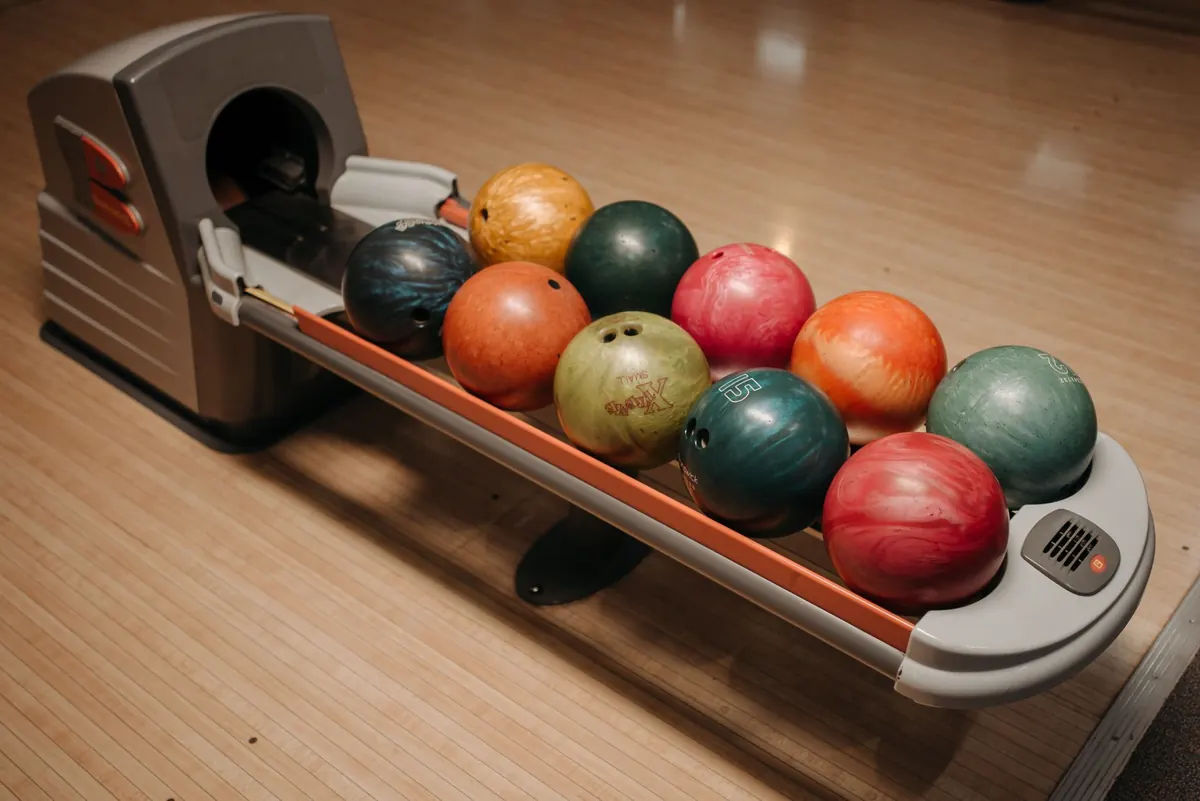
Winter leagues are where bowling stops being a night out and becomes a standing appointment. At most centers the season starts in late summer or early fall and runs into spring, which means you're not just buying a few games — you're joining a small, mildly competitive community that meets on the same night for months. That's either the appeal or the obstacle. If it's the appeal, here's how to find the right league and understand what you're agreeing to before you sign.
Start With the Centers, Not the Search Engines
League openings are rarely advertised well. The fastest path is a phone call to the bowling centers within reasonable driving distance. Ask one question: which winter leagues still need bowlers? Front desk staff usually know, and if they don't, they'll point you to the league secretary or the center's league coordinator.
Other places worth checking:
- Bulletin boards near the front desk, where sign-up sheets hang for months.
- The center's website, Facebook page, or email newsletter.
- Your state or local bowling association, which often lists leagues and sanctioned events.
- Bowlers you already know. One teammate is all it takes to get placed.
Most leagues hold an organizational meeting in August or September, so that's the ideal window to ask. If you're looking mid-season, you're not out of luck. Ask about second-half leagues that start in January, or offer to be a substitute. Subs get called often, and a reliable sub is usually offered a permanent roster spot the next season. If you're joining alone, ask specifically whether the league takes individual entries or runs a draw format that places unattached bowlers on teams.
Know the Format Before You Commit
Two leagues in the same building can feel completely different depending on how they're set up. The variables worth understanding:
- Sanctioned or not. A sanctioned league follows national rules, and your average and scores travel with you to other sanctioned leagues and tournaments. Unsanctioned leagues are more casual and usually cheaper.
- Handicap or scratch. Handicap leagues give pins based on the gap between your average and a baseline number, which keeps newer bowlers competitive. Scratch leagues reward raw scores.
- Team size and pace. Five-person teams are traditional; four-person and trio leagues move faster. Doubles leagues are the shortest night of all.
- Frequency and length. Weekly is standard, but some leagues bowl every other week, and short-format leagues run 12 to 16 weeks instead of a full season.
- Who bowls. Mixed, men's, women's, senior, and youth leagues all exist. Mixed leagues are the most common entry point for adults.
What a Winter League Actually Costs
Your weekly fee bundles two separate things: lineage, which is the center's charge for the lanes, and the prize fund contribution, which gets paid back out as season-ending awards. Ask for both numbers separately. A league with a modest weekly fee and a smaller payout can suit you better than an expensive one if you care more about bowling than cashing a check.
Beyond the weekly fee, budget for:
- A sanction or membership fee. A once-a-season charge if the league is sanctioned.
- Shoes. House shoes are free to borrow, but your own pair is the best first purchase — better fit, better slide, no rental line.
- A ball fitted to your hand. If you've been throwing house balls, this is the upgrade that changes your game most. A pro shop will measure your hand and drill accordingly.
- Optional extras. Side pots, raffles, a league banquet, and team shirts are common and always voluntary.
Do the multiplication before you sign: weekly fee times number of weeks, plus the membership fee, plus whatever equipment you plan to buy. If a full season's total feels heavy, look at a half-season or short-format league first. And ask to see the by-laws, which should spell out how the prize fund is handled, who holds it, and when standings and payouts are published. Any well-run league will have those terms in writing.
The Weekly Time Commitment, Honestly
A three-game league night takes about two to two and a half hours on the lanes. Add fifteen minutes for arrival and warm-up plus your drive, and you're looking at a three-hour block, give or take. The social part often stretches it longer, which is either a bonus or a scheduling problem.
The bigger commitment is the season itself. A full winter league commonly runs 30 to 36 weeks, though that varies by center and format. Before you say yes, check your calendar for the stretches you know you'll be traveling, working late, or hosting family. Then ask how the league handles absences:
- Pre-bowling. You bowl your games before the scheduled session, usually arranged through the league secretary or the center.
- Post-bowling. Some leagues let you make up games afterward within a set window.
- Blind score. If you miss without making up, your team typically uses a score based on your average minus a set number of pins. You're not leaving them with nothing, but you're not helping much either.
- Substitutes. Leagues usually keep a sub list, and subs often need a minimum number of games to qualify for postseason awards.
Your First Night on the Lanes
Arrive early. The first night usually includes a short meeting to elect officers, review by-laws, and confirm teams and lane assignments. You'll want to be there, both because that's when questions get answered and because it's how you meet the people you'll bowl with until spring.
A few things first-timers worry about unnecessarily:
- Most centers use automatic scoring, so you don't need to keep score by hand. You do need to know when it's your turn.
- Your average gets established over your first several games. If you've bowled in a sanctioned league before, you'll likely bowl off that book average instead.
- Approach etiquette is simple: if someone on the adjacent lane is already up and ready, let them go first. Stay behind the foul line, keep one ball on the rack at a time, and don't wander onto another pair of lanes mid-frame.
- Nobody expects you to be good. They expect you to show up, be ready, and be pleasant.
If you're returning to bowling after years away, or you have a wrist, shoulder, knee, or back issue that a weekly three-game night might aggravate, talk with a doctor or physical therapist before committing to a long season. Thirty-plus weeks is a lot of repetitive motion.
Before You Sign: Questions Worth Asking
- What's the lineage fee, and what's the prize fund portion of the weekly cost?
- Is the league sanctioned
Photo: Pavel Danilyuk / Pexels